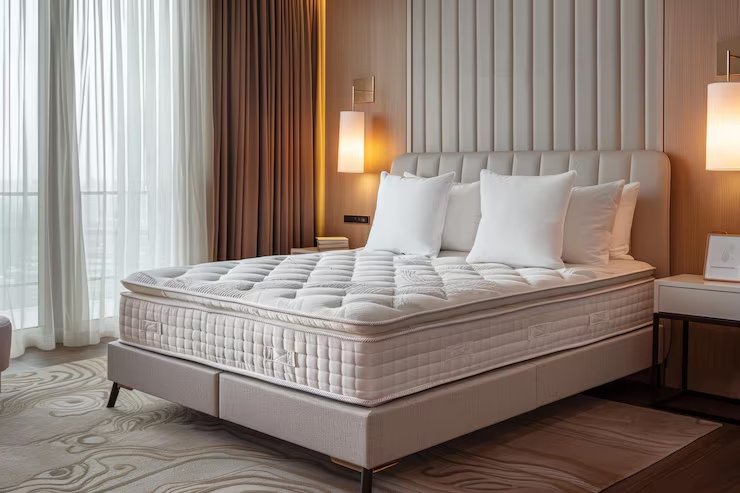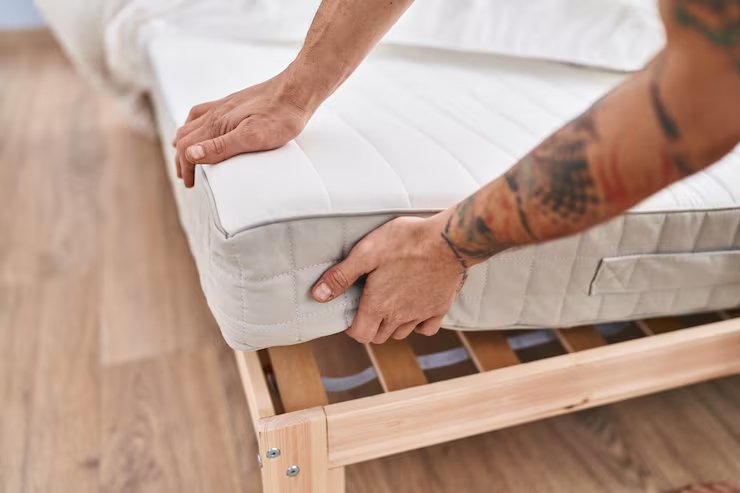
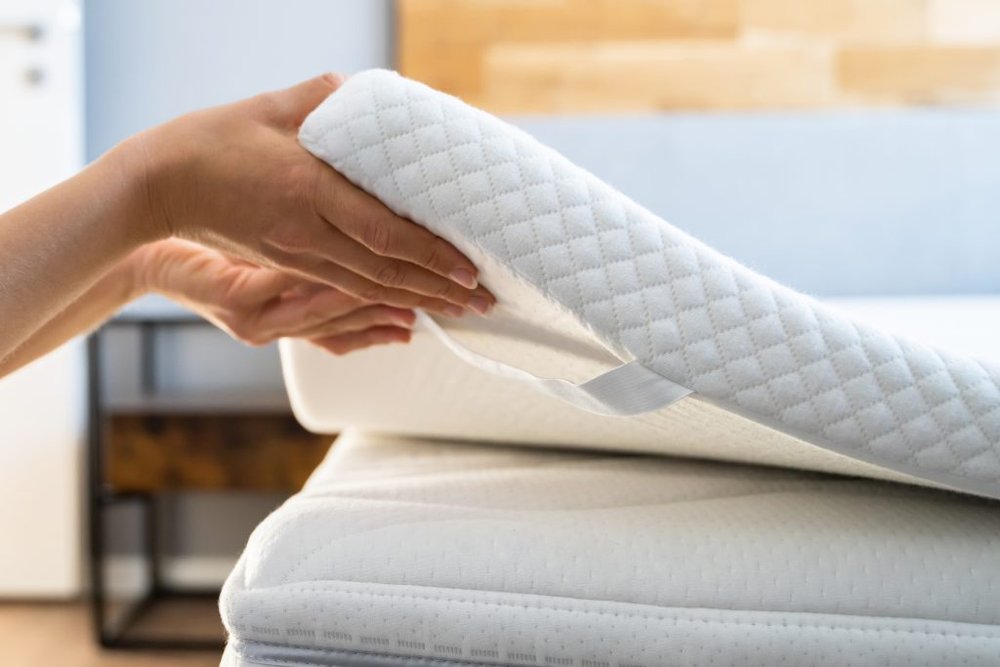
A sore shoulder on waking is often blamed on the pillow or an awkward posture. The mattress deserves a closer look. Side sleepers rest their full weight on two narrow areas, and the wrong surface turns a night of sleep into a slow strain. A well-made memory foam mattress is one answer, though it is not the only one. In this blog, we explain why the pain starts, which three mattress types help, and how we match each one to the sleeper.
Why Side Sleeping Hurts the Shoulder and Hip
Two small areas carry the load
The shoulder and hip are the widest parts of the body when we lie on our side. Together, they take most of our weight. A hard surface gives them nowhere to go. Blood flow slows, the arm goes numb, and the joint aches by morning. Over seven or eight hours, even a small imbalance adds up.
The spine needs a level line
The waist sits lower than the shoulder and hip, which leaves a gap. A mattress that is too soft lets the hip sink too far and bends the spine. One that is too firm pushes the body upward and tilts the spine the other way. We want a line that stays close to straight from neck to tailbone.
What Side Sleepers Need from a Mattress
A good bed for side sleepers does a few things well:
- Lets the shoulder and hip sink in by a measured amount
- Supports the waist so the spine stays level
- Returns to shape quickly when we turn over
- Stays comfortable on warm nights
- Holds its form for years without deep body dips
Three Mattress Types That Ease Shoulder and Hip Pressure
All three relieve pressure at the shoulders and hips, which is what side sleepers need. The real difference lies in feel, bounce and heat. Once we understand that, the choice becomes much simpler.
Memory Foam Mattress: Deep, Slow Cradling
A memory foam mattress softens with body warmth and molds around each curve. The shoulder settles in, and the hip follows. Because the foam recovers slowly, turning over takes slightly more effort.
- Feel: close, hugging comfort
- Suits: sleepers who want little motion passed on to a partner
- Worth checking: gel or open-cell layers for warmer rooms
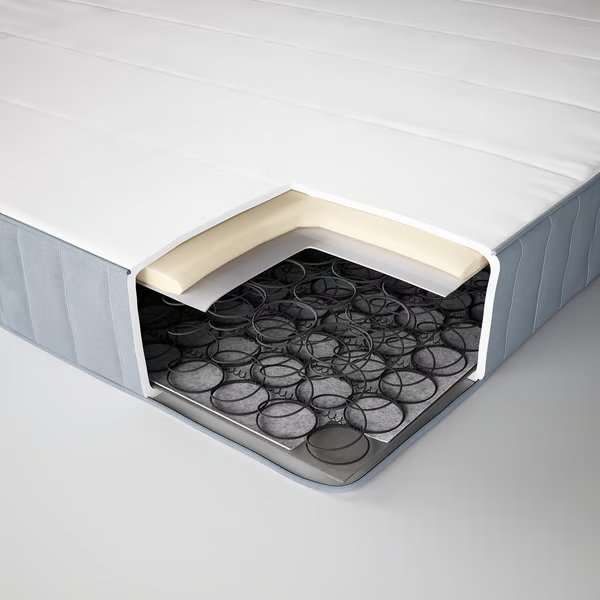
Pocketed Spring Mattress: Responsive and Airy
A pocketed spring mattress holds many small springs, each wrapped in its own fabric pocket. Every coil moves alone. The one beneath the hip compresses, while the one at the waist keeps supporting. Air also travels freely between the coils, which helps in Chennai’s humid months.
- Feel: lively, with easy movement
- Suits: sleepers who like bounce and good airflow
- Worth checking: the thickness of the top comfort layer, since it shapes how the shoulder rests
Natural Latex Mattress: Buoyant and Long-Lasting
A natural latex mattress is made from rubber tree sap. It cushions the body, then pushes back gently, so we feel held up instead of buried. The open structure lets air pass through, and the material tends to keep its shape for many years.
- Feel: springy yet soft
- Suits: warm sleepers and buyers who want long service
- Worth checking: price and weight, as latex costs more and is heavy to lift
Care Habits That Protect the Comfort Layer
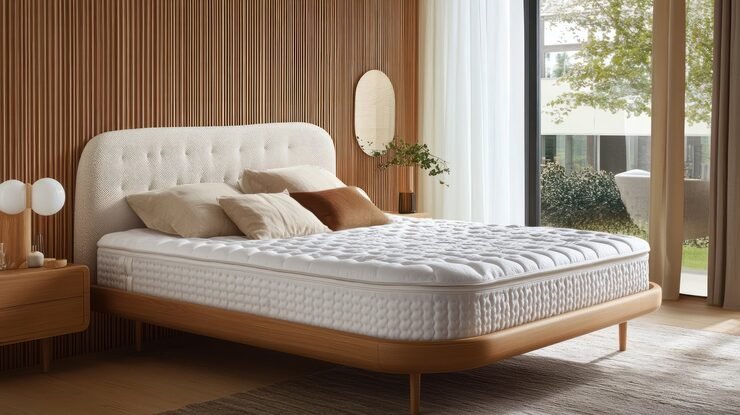
A good mattress keeps its shape longer when it gets basic care. Rotating it heads to foot every three to six months spreads wear across the surface, which matters for side sleepers who rest on the same spots each night. A breathable protector guards against sweat and spills without trapping heat. Foam and latex models also benefit from a solid, well-ventilated base, as a weak frame can cause early dips. With these small habits, a memory foam mattress, a pocketed spring mattress or a natural latex mattress can keep relieving pressure at the shoulder and hip for years.
Firmness: A Common Point of Confusion
Many shoppers pick a firm bed, assuming firm means healthy. For side sleepers, this often backfires. Most do well with medium-soft to medium, though body weight shifts the answer.
- Lighter build: medium-soft
- Average build: medium
- Heavier build: medium-firm, with a thicker comfort layer
Thickness matters too. A thin mattress lets the base show through, and the pressure returns.
How We Match a Mattress to the Sleeper
- Choose memory foam for close contouring and quiet movement.
- Choose pocket springs for bounce and airflow.
- Choose latex for cooler sleep and long life.
- On a tight budget, pick a mid-range model with a proper comfort layer over a costly one with a thin layer.
Common Mistakes Side Sleepers Make
Some errors repeat often, and most are easy to avoid.
- Judging a bed after a two-minute sit
- Choosing a very firm surface for the sake of the back
- Buying a size that leaves no room to change position
- Ignoring pillow height, which affects the neck as much as the mattress affects the hip
A larger size is worth a thought. Side sleepers shift more than they realize, and extra width gives the arms and knees space.
Tips for Testing in a Showroom
- Lie on the side for at least ten minutes.
- Ask a companion to check the spine line from behind.
- Use a pillow close to the height used at home.
- Turn over several times and note any effort.
- Ask about layer details and warranty terms.
Habits That Add Relief
- Place a pillow between the knees to keep the hips stacked.
- Pick a pillow that fills the gap between ear and shoulder.
- Hug a thin pillow to stop the upper shoulder rolling forward.
Signs Our Current Mattress May Be the Cause
- A numb or tingling arm on waking
- A visible dip where we sleep
- Pain that eases within an hour of rising
- Better sleep on a different bed
- Seven to ten years of use
Two or more of these signs suggest a change is due.
Conclusion
Shoulder and hip pain at night often traces back to the bed. The right surface cushions both joints and keeps the spine level. Whether we select memory foam, pocketed spring or natural latex, the best test is lying down and paying attention to how the body responds.
At Universal Mattress, we help Chennai families compare all three types across our three showrooms. Our team explains each model in clear terms, so the final choice fits the body, the budget and the climate. Visit us, spend ten minutes on each option, and let your shoulder decide.