

The first sign is often a smell. It is faint and stale, a bit like a closed cupboard. A week later, a grey patch shows on the cover. By then, the damp has gone deeper than the eye can see. Monsoon air carries a lot of water, and a bed soaks it up quietly. A rubberized coir mattress is no exception. We wrote this blog to help you spot trouble early, dry things the right way and keep your bed healthy until the sun returns.
Why the Monsoon Is Hard on Your Bed
Mould needs three things: moisture, warmth and food. The monsoon supplies the first two. Skin flakes and dust supply the third.
Dust mites like the same conditions. They multiply fast when room humidity stays above 60 percent. They do not bite. Their droppings, however, can cause sneezing, itchy eyes and a blocked nose.
Early Warning Signs
We suggest a quick check once a week during the rains. Look for these:
- A musty smell that returns after airing
- A cover that feels cool and damp
- Small dark or white spots near the edges
- More sneezing than usual in the morning
- Stains on the base or slats
Daily Habits That Keep Damp Away
Control the Air in the Room
Humidity is the root cause, so we start here.
- Open the windows for an hour when the rain stops.
- Use a dehumidifier, or an air conditioner in dry mode, at night.
- Dry wet clothes outside the bedroom.
- Keep the bed a few inches away from outer walls, where moisture collects.
Give the Mattress Room to Breathe
A mattress needs air from below. A slatted base lets moisture escape, while a solid platform holds it in. Pull the bedding back for an hour each morning. Lift one corner now and then to check for damp underneath. If the maker allows it, turn the mattress every two to three months.
Pick the Right Protector
A breathable, washable protector keeps sweat and spills off the surface. Thick plastic sheets are a poor choice for long use, since they trap heat. Wash the protector every two weeks in the wet season, and dry it fully before it goes back on the bed.
Care Tips by Mattress Type
Each material reacts to damp in its own way, so care should follow the type.
Rubberized Coir Mattress
A rubberized coir mattress is made of coconut fiber bonded with latex. Its open structure lets air move through, so moisture leaves faster than it does in dense foam. It also feels firm, which suits many people who need back support.
Water is still its enemy. Never wash it. If it turns damp, stand it upright in a shaded, breezy spot. One or two hours of mild morning sun can freshen the fibers. Strong, long sun may dry the latex and make it brittle.
Duroflex Coir Mattress
A Duroflex coir mattress may combine coir with foam or latex layers, depending on the model. That mix changes how it handles moisture. The coir core breathes well, but a soft top layer can hold sweat if the bed stays covered all day.
Read the care label that comes in the box. Makers give their own advice on airing and spot cleaning, and following it protects the warranty. A monthly pass with a vacuum and a soft nozzle removes the dust that mites feed on.
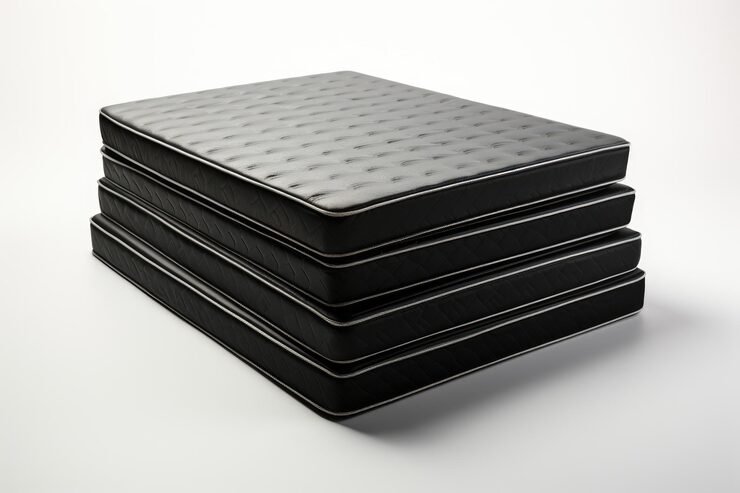
Bonnell Spring Mattress
A Bonnell spring mattress uses linked, hourglass-shaped coils. The open space between them lets air travel freely, which helps in humid cities. The risk is different here. If moisture stays too long, steel coils can rust and begin to squeak.
- Do not pour water or liquid cleaners on the surface.
- Air it in a dry, shaded room after heavy rain.
- Listen for new creaks, as they may point to early rust.

Mistakes That Make Damp Worse
Some well-meant habits cause harm. We see these often:
- Storing a mattress wrapped in plastic for weeks
- Spraying strong fragrances to hide a musty smell
- Drying it with a heater or hair dryer held close
- Keeping the bedroom shut all day during the rains
Each one traps moisture or damages the material. A fresh smell without dryness is only a cover-up.
What to Do If Damp Has Already Set In
Quick action limits the damage. We follow these steps:
- Move the mattress to an airy spot and remove all bedding.
- Vacuum both sides slowly to lift spores and dust.
- Mist the marks lightly with equal parts white vinegar and water. Do not soak the surface.
- Sprinkle baking soda, wait a few hours, then vacuum again.
- Dry it fully before making the bed. A fan speeds this up.
Wear a mask while cleaning mould. Spores are better kept out of the lungs.
Guest Rooms and Spare Beds Need Attention Too
Unused beds are often the first to suffer. A guest room stays closed for weeks, the air turns still, and moisture settles into the fabric without anyone noticing. A rubberized coir mattress in a spare room may look perfect from outside, yet the underside can hold damp for a long time. We suggest opening the room for an hour every few days and leaving the bed uncovered by heavy spreads. If the room stays unused for a month or more, a light, breathable cotton sheet is better than plastic wrap.
When a New Mattress Makes More Sense
Cleaning cannot fix everything. Think about replacement when:
- Mould returns after two proper cleanings
- The smell stays even after full drying
- Coils show rust or the surface sags
- Allergy or asthma symptoms rise at night
When shopping again, test the bed in person and ask how the warranty treats moisture damage. Then match the type to your climate and your back. A firm coir bed, a coil bed or a layered model each suits a different sleeper.
Conclusion
The monsoon does not have to ruin a good mattress. Steady habits, dry air and prompt cleaning do most of the work. If you are ready to choose a new bed, the team at Universal Mattress helps Chennai families compare coir, spring and foam options in person. We believe a short store visit can save many damp nights.